
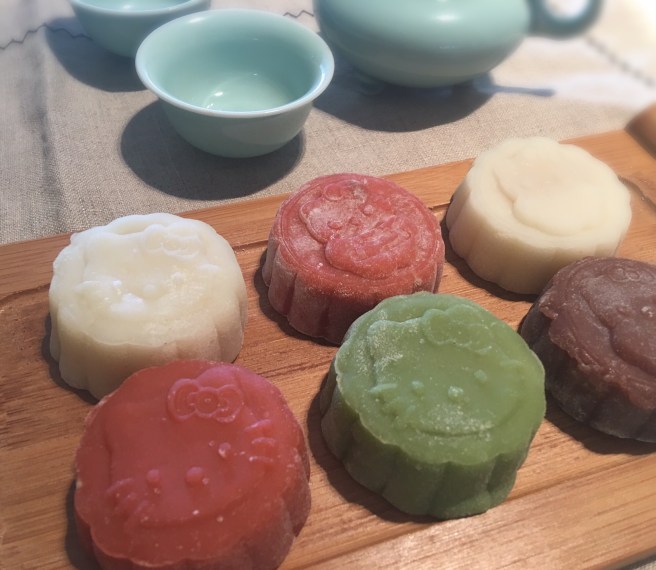
 Snow skin (Mochi) mooncake is a non-baked mooncake eaten during Chinese Mid-Autumn Festival. The mooncake skin texture is quite similar with mochi: soft, chewy and milky. While snow skin mooncake can be filled with variety of things, lotus seeds paste is my favorite. Lotus seeds are used extensively in Chinese cooking, especially in the form of paste. The paste can be made in advance and keep refrigerated or frozen. Snow skin mooncake should be kept refrigerated in airtight container and typically serve cold. You shall be able to find all the ingredients and the mooncake mould in Asian markets or Amazon.
Makes about 25 pieces (40g each piece)
Homemade lotus seeds paste filling 莲蓉馅 (yield 450g lotus seeds paste)
- 150g dry lotus seeds 白莲子
- 800ml water
- 110g granulated sugar 白砂糖
- 15g glutinous rice flour糯米粉
- 3 tablespoons water
- ¼ teaspoon salt

Wrappers (yields about 640g snow skin/Mochi)
- 360g …
View original post 562 more words
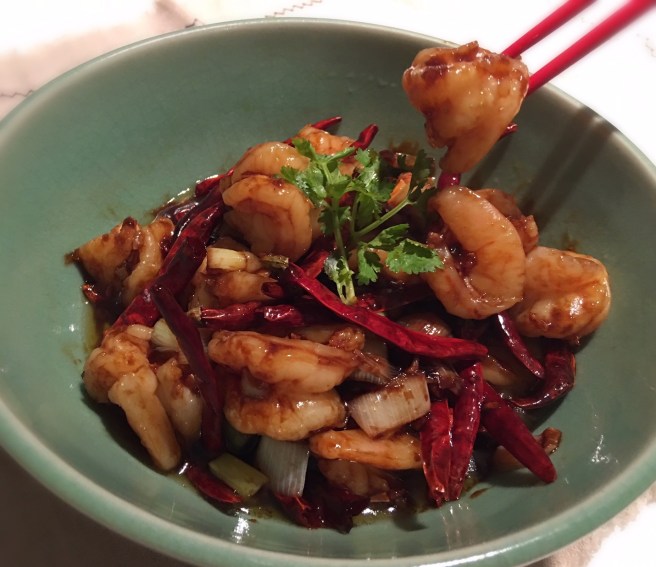
 I believe the recipe originates from the Hakka food,客家菜kè jiā cài or “guest families”. Unlike most cuisines in China, Hakka food is defined by a group of people rather than a geographical region. The Hakka had to make do with whatever unclaimed territory they could find, so frugality became a defining characteristic of their food. This lovely, lightly seasoned dish comes together so easily that some Chinese families adopt it as a staple. I will certainly scoop up spoonfuls of savory, earthy and yet subtly sweet sauce to put over mounds of jasmine rice,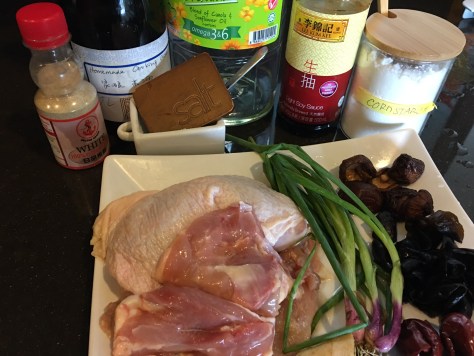


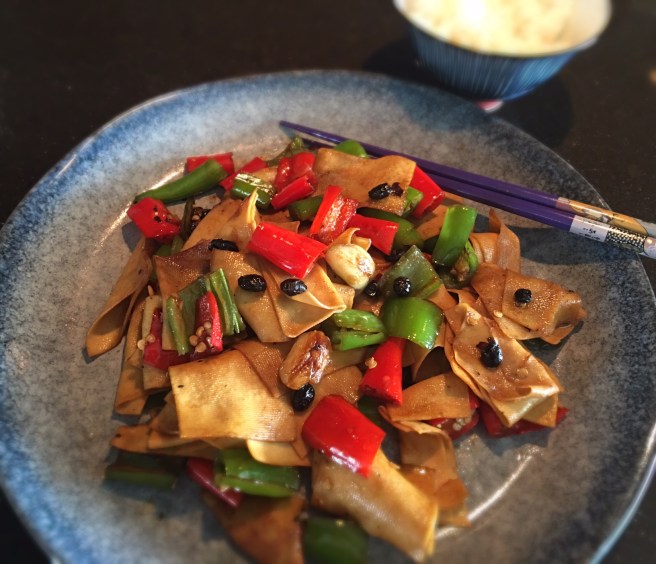 There is a very long list of fermented soybean products in the Asian soy cuisines, such as Miso and Natto from Japan and Gochujang from Korea. Used as seasonings, they are found as culinary staples in the home kitchens of the East Asia countries. It is amazing how these little fermented black beans豆豉dòu chǐ have elevated the nutty and sweet flavour of this soy protein-rich dish, making the ordinary truly extraordinary. Fermented black beans are usually packed in small plastic bags and can be found in any Chinese grocery stores.


 lets-playdough.com