 Sesame balls are one of the most popular desserts in China and some Southeast Asia countries. Street vendors sell them and you can also get them at dim sum restaurants. It is a quite challenging Chinese recipe though. The problem comes during deep-frying – the sesame balls need to be turned continually to expand and become center-hollowed. You just need practice to skillfully manoeuvre the balls in the hot oil.
Yields 12 sesame balls,
- Make the dough
150g glutinous rice flour糯米
45g caster sugar 白糖
110g water (bring it to a boil)
½ tablespoon cooking oil
- 30g white sesame seeds
- cooking oil for deep drying
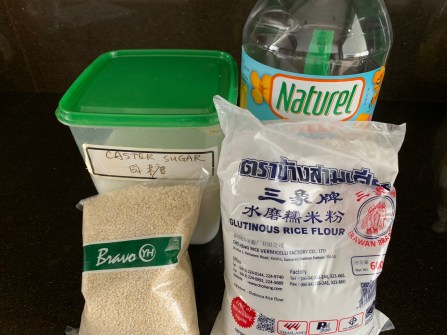
Method
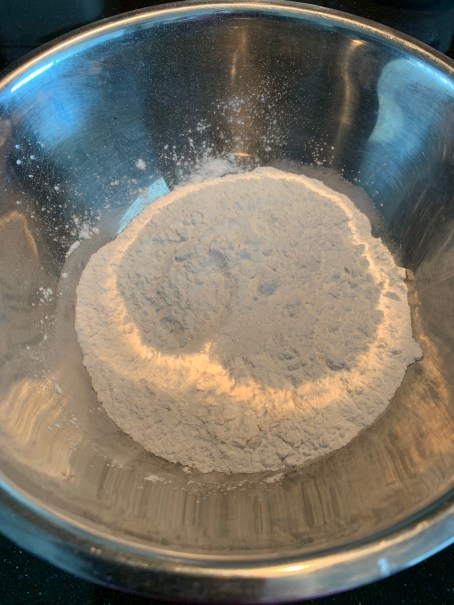
- Place glutinous rice flour in a mixing bowl.
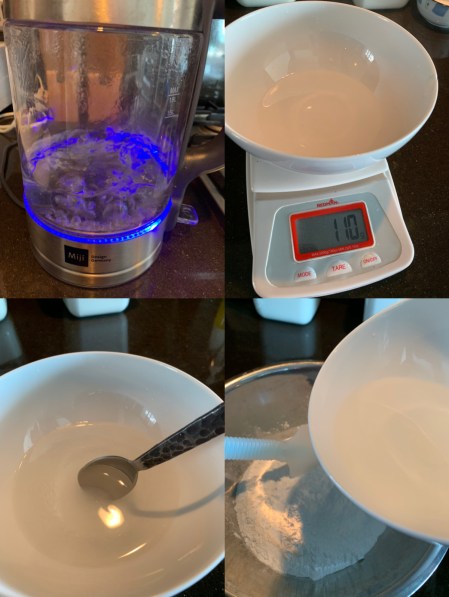
- Bring the water to a boil. Resolve the sugar in the hot water. Pour the hot sugar syrup into the glutinous flour, stir and mix well.
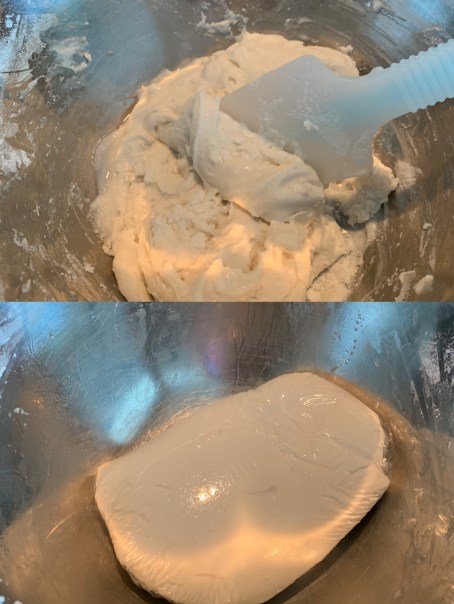
- Add in ½ tablespoon of oil, knead until smooth and shiny dough is formed. Wrap with cling wrap and set aside for 10 minutes.
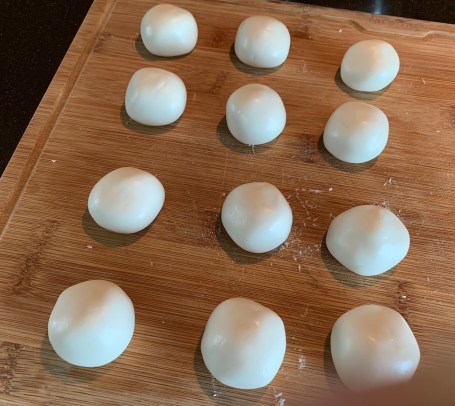
- Divide dough into 12 portions (25 g each), roll dough into ball shape, cover with cling wrap.
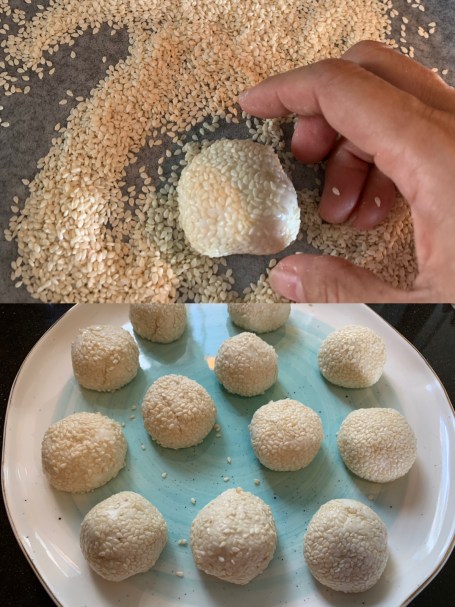
- Coat generously with sesame seeds, press gently so that sesame seeds can stick firmly on the surface.
- Drop the sesame balls into oil when the oil starts to heat up, about 120°C to 130°C. Use medium-low heat to avoid burning. In 3 minutes or so, the balls will start float up to the surface.
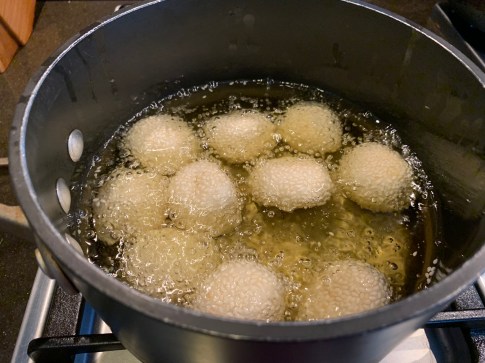
- Stir and gently press down with a slotted spoon while frying, sesame balls will expand in size. The secret is to gently press until the balls expand, crispy crust will form around the chewy and hollow center. Repeat the ‘pressing down’ in 3 or 4 times. In the meantime, use slotted spoon gently moving around the balls to ensure they are evenly cooked. Deep fried to golden perfection – this step takes about 15-20 minutes.


- Ready to serve. This dessert is better served while it’s still hot and it’s not suitable for storing in the fridge. Ideally, eat it as soon as possible for the best taste.
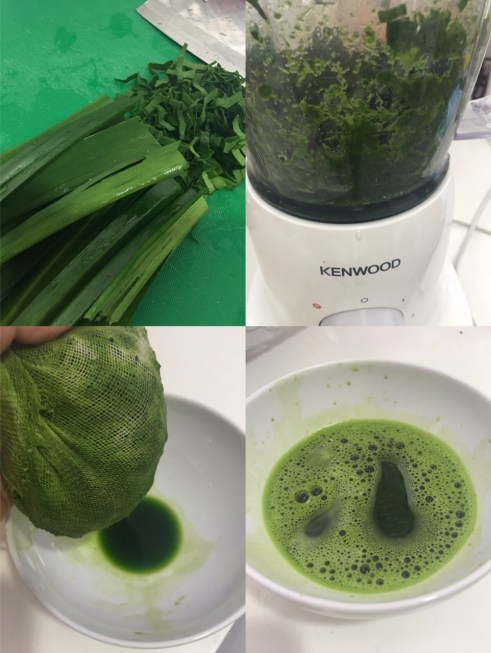
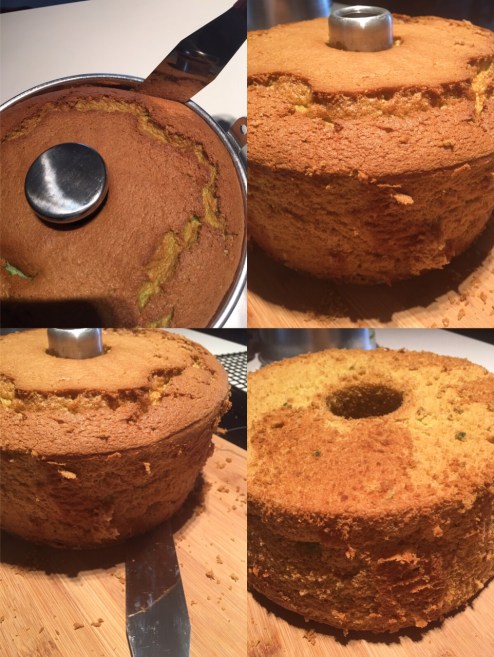
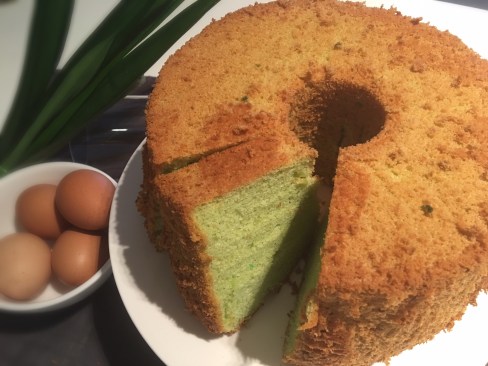
 The celebrity chef Nigel Lawson was quoted that Pandan leaves are the next big food craze in the US and UK. This unique Southeast Asia plant, which are found in the backyards of many Malaysian homes, has a sweet fragrance that is likened to vanilla. Its extracted juices are the natural food colouring that is commonly used in some popular Southeast Asia desserts. It is also an essential ingredient for making the famous Singapore Chicken Rice.



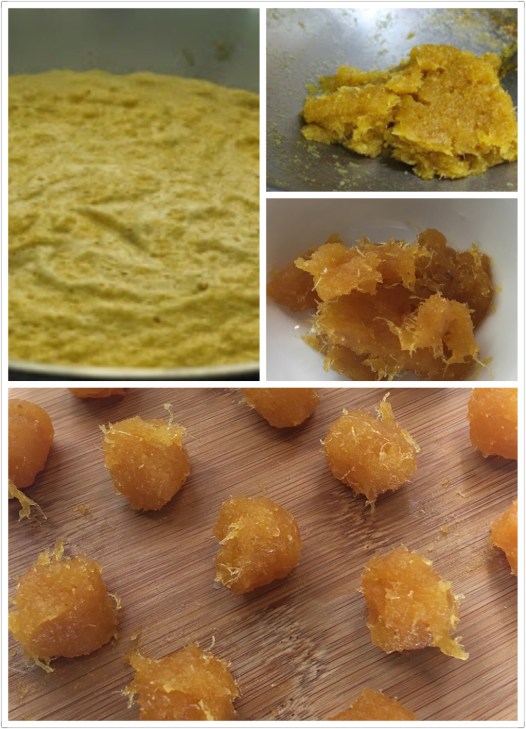
 It is the time of the Year! With the Chinese New Year around the corner, you can find pineapple tarts just about everywhere in Singapore or Malaysia . Every bakery that churns them out is claiming that it’s tarts are the best. But I found out today these melt-in-mouth homemade tarts with buttery crumbly pastry and fresh homemade pineapple jam are the BEST I’ve had so far. It calls for simple and fresh ingredients with minimized use of sugar. No preservatives added at all.


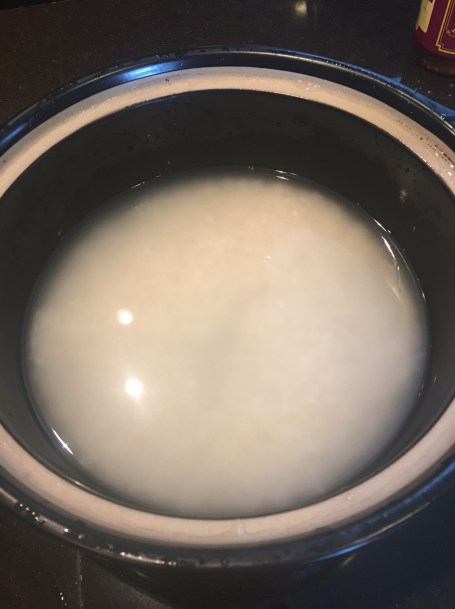
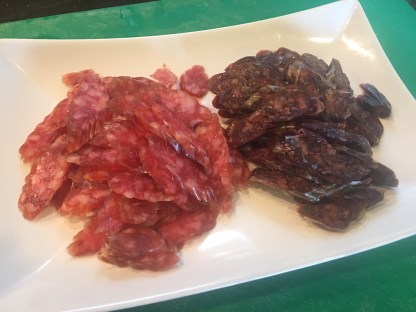
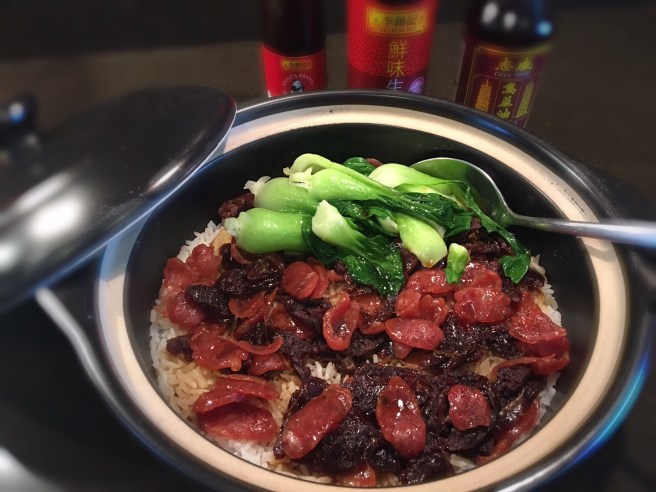 It is a traditional Cantonese dish but now becoming popular throughout China. The rice is slowly cooked in a clay pot, giving the dish a distinctive flavor. It is typically served with Cantonese-style cured pork and vegetables. A perfectly cooked clay pot rice has a great flavor of all the ingredients, with nicely crisped and scorched rice on the bottom of the pot.


 lets-playdough.com