 This classic Cantonese braised beef stew is served from almost all traditional restaurants around the world. Traditionally, this dish calls for beef brisket which is relatively tough cut but really flavorful when prepared properly. If you can access to Chinese butchery, look for the brisket with a layer of membrane attached to the meat. The membrane is a little tougher than the meat but adds even more flavor to the dish.
One of the key condiments for this dish is Chu Hou Sauce柱侯酱, a soybean based sauce commonly use in Cantonese cooking. It tastes and looks somewhat like hoisin sauce but more garlicky. It comes in glass jars under different brands and it can be found in most local Chinese supermarkets. If you can’t get a hold of it, you can substitute with hoisin sauce with additional garlic.
Serves 4-6,
- 600g beef brisket, blanched and cut into bite size牛腩
- 20g ginger, sliced
- 2 spring onions roughly chopped
- 2 tablespoons Chinese cooking wine
- 1 tablespoon cooking oil
- 1tablespoon rock sugar冰糖
- 4 clove garlic roughly chopped
- 5 tablespoons chu hou sauce 柱候酱
- 1 teaspoon oyster sauce蚝油
- 1tablespoon light soy sauce to taste生抽
- ½ tablespoon dark soy sauce老抽
- 2 and ½ cups water
- 300g daikon radish, cut into bite size白罗卜
- 200g carrots, cut into bite size 胡罗卜
- ½ teaspoon Salt or salt to taste
- Water Starch by combining 1 tablespoon corn starch and 2 tablespoons of water. This is to help thicken the sauce
- Scallion for garnish

Method
- Blanch beef brisket – place the brisket in a pot of cold water. Add into 10g sliced ginger, spring onions and 1 tablespoon of Chinese cooking wine. Bring it to a boil. Cook for about 5 minutes. Rinse under the running water. Drain the excess water, cut into bite size. Set aside.


2. Heat up 1 tablespoon of cooking oil in a clay pot or wok. Add rock sugar. Add into rock sugar and cook over low-medium heat for about 3-4 minutes till sugar melted and caramelized. Add into chopped garlic and sliced ginger on low heat until aromatic. About 30 seconds. Add into beef brisket pieces.


3. Add chu hou sauce, oyster sauce, Chinese cooking wine, light soy sauce and dark sauce and stir fry on low heat for 2 minutes. Add 2 and half cups of water and bring to boil. Turn the heat to low and simmer with lid on for about 1.5 hours until tender. Turn the beef with a spatula every now and then.


4. In the meantime, peel the daikon radish and carrots. Cut them into bite-size small pieces.
 5. Add daikon radish and carrot pieces and mix with the beef. Bring the stew to boil and simmer with lip on until the radish is soft. Add salt. Use a spatula to move around the beef and vegetables to keep them from sticking to the bottom of the pot. Cook about 30 minutes.


6.Pour into the water starch (by mixing 1 tablespoon of corn starch and 2 tablespoons of water). Mix well. Cook until sauce thicken.
 7. Sprinkle some scallions and serve with rice or as a noodle soup topping.
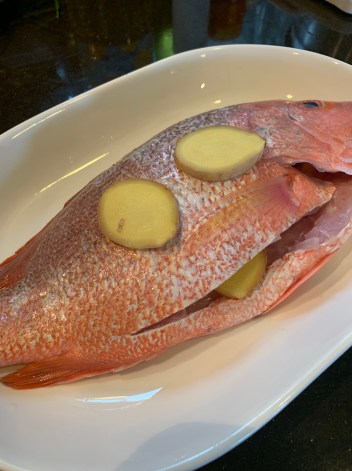
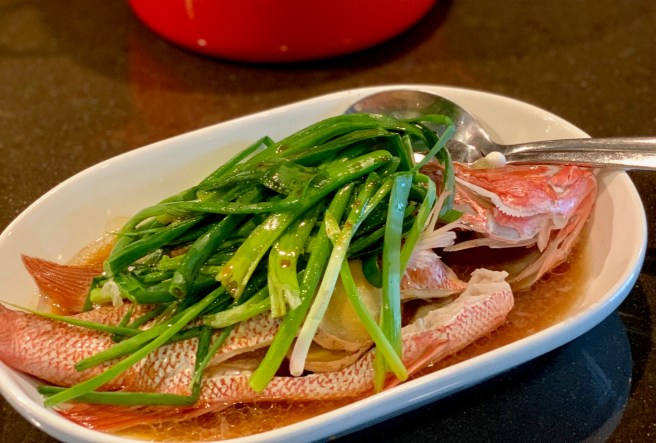 I personally think that fresh fish is best eaten steamed in addition to Sashimi and Sushi. For me, nothing tastes as satisfying as delicately steamed fish with a bowl of rice. Though few ingredients are involved, you will need a very fresh fish and a high-quality Chinese cooking wine to make it Chinese-restaurant worthy. The perfect, right amount of steaming time is also critical so that cooked flesh is tender, moist and silky. Never overcook.



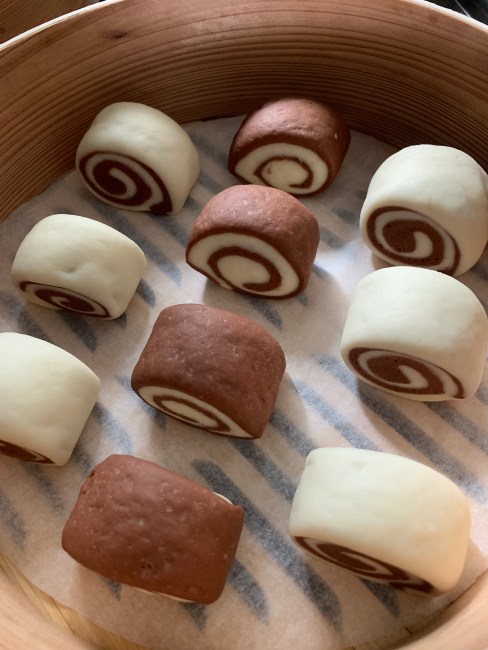
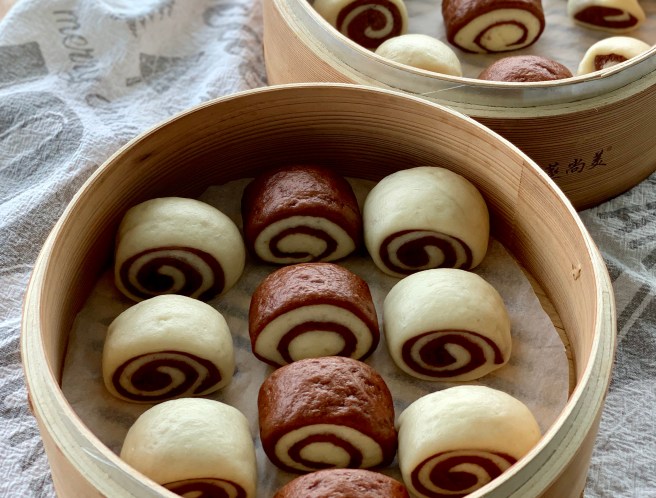 Mantou (Chinese Steamed Bun) is a simple bun without filling. I call them Chinese version of dinner rolls. They are great options for breakfast or snack too. Mantou can have many varieties of flavour as you would like. The texture of the mantou is soft but denser than bao.
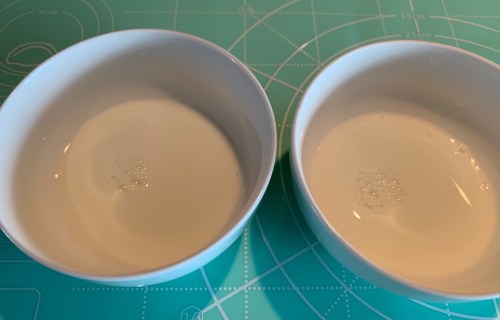



 Bamboo shoots are always a culinary delicacy in Asia especially in Chinese and Japanese cuisines. Freshly dug bamboo shoots are seasonal and are appreciated by people of that particular region. Yet easily accessible dried bamboo shoots have a meaty quality and are incredibly delicious. It has a chewy-tenderness and pleasant sweetness that’s not found in fresh or canned bamboo.


 lets-playdough.com