Chicken Satay沙嗲鸡肉串shā diǎ jī ròu chuàn

cover3Chicken Satay should be a staple in the kitchen with its juicy, marinated skewered chicken layered with flavor all dunked in creamy, intoxicating peanut satay sauce.  The marinade is the most important part of the recipe. The best satays are marinated with lots of spices and ingredients. Traditionally, home cooks pound all the ingredients above with a mortar and pestle until it becomes a fine paste. Mix the meat (either beef, chicken or mutton) with the marinade overnight; this will ensure that every piece of the meat is bursting with robust flavors.

Serve 6

Ingredients

  • 900g  boneless and skinless chicken thigh and leg meat
  • bamboo skewers, soaked in cold water for 2 hours
  • 1 cucumber, cut into small pieces
  • 1 small onion, quartered

Chicken Marinade

  • 3 tablespoons oil
  • 2 stalks lemongrass, white parts only香茅
  • 2 cloves garlic, peeled
  • 6 shallots, peeled小红葱头
  • 2 teaspoons turmeric powder or 3g fresh turmeric root姜黄
  • 1 teaspoon coriander seed香菜籽
  • 1 teaspoon chili powder (optional)
  • 1/2 tablespoon salt or more to taste
  • 2 tablespoons sugar

Satay Peanut Sauce

  • 1 1/2 cup dry roasted peanuts, unsalted
  • 1 cup water
  • 1 tablespoon sweet soy sauce, Kecap Manis
  • 1 1/2 tablespoon sugar, palm sugar preferred
  • 1/8 teaspoon salt
  • 1/4 cup oil
  • 1 tablespoon tamarind pulp, soaked in 1/4 cup water for 15 minutes, squeeze the tamarind pulp for juice and discard the pulp罗望子

(Spice Paste)

  • 6-8 dried red chilies, seeded and soaked in warm water
  • 3 cloves garlic
  • 3 shallots
  • 2 lemon grass, white parts only
  • 3g  ginger (galangal preferred)

Method for Chicken Satays (Chicken Skewers)

  1. Cut the chicken meat into small cubes. Set aside.
  2. Blend all the he Marinade ingredients in a food processor. Add a little water if needed.
  3. Combine the chicken and the Marinade together, stir to mix well. Marinate the chicken for 6 hours in the fridge, or best overnight. When ready, thread 3-4 pieces of the chicken meat onto the bamboo skewers.
  4. Grill the chicken satay skewers for 2-3 minutes on each side until the meat is fully cooked and the surface is nicely charred, on both sides. Baste and brush with some oil while grilling. Serve hot with the fresh cucumber pieces and onions.

Method for Satay Peanut Dipping Sauce

  1. Crush the peanuts coarsely with mortar and pestle or mini food processor and set aside. You can toast the peanuts ahead of time to enhance peanut flavor.IMG_5027.jpg
  1. Chop the spice paste ingredients and blend in a mini food processor until fine. Heat oil and fry the spice paste until aromatic and smell spicy. Add the peanuts, tamarind juice, water, sugar, sweet soy sauce and stir thoroughly. Simmer in low heat while continue stirring for about 3 minutes until the peanut sauce turns smooth. Serve at room temperature with the satay.

 Cook Chicken Satay

  1. To grill, grease an indoor or outdoor grill and heat to high heat. Once hot, add chicken, reduce heat to medium and cover.Grill chicken approximately 4 minutes per side, or until chicken is cooked through (internal temp of 165 degrees F).
  2. You can certainly bake satay in the oven, or pan-fried on a skillet. They will still taste delicious. Preheat oven to 350 degrees F. Line two baking sheets with foil and lightly spray with nonstick cooking spray.Evenly divide chicken between baking sheets. Make sure there is room in between the chicken so your chicken bakes and doesn’t steam. Bake 15-20 minutes OR until chicken is cooked (internal temp of 165 degrees F).

Tips

  • You can use a combination of chicken breasts, chicken thighs and legs. Just remove the skin and cut each piece of the chicken meat into uniform pieces.
  • For the best results, marinate the chicken overnight
  • Soak the bamboo skewers in water for at least two hours. This will prevent the bamboo skewers from burning.


Singapore Laksa新加坡叻沙xīn jiā pō jiā lè shā

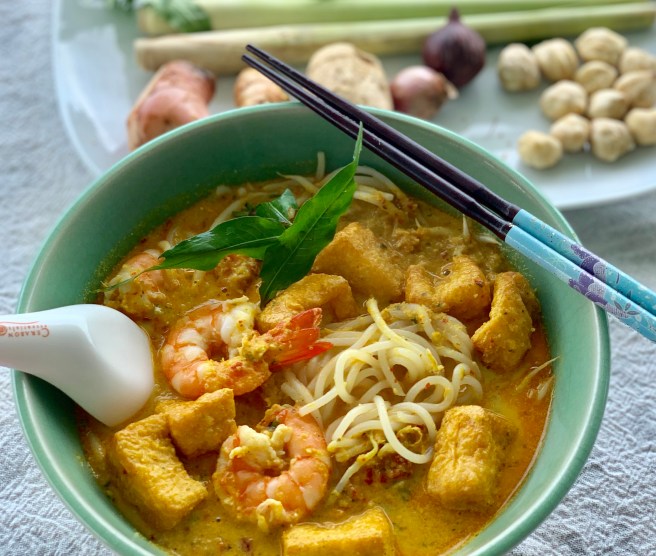
cover1The flavors of this popular Southeast Asian street food are bold and simply addictive. It is difficult to pinpoint the exact origin of this delicious spicy noodle soup because it has many different varieties across the region. In Singapore, the “Katong” version or Nyonya Laksa, is believed to have been created after the interaction between the Peranakans with the local Singaporeans.

I have adapted the recipe by reducing the amount of the coconut milk. The end result is a creamier version of laksa without the dominant flavor of coconut milk but the flavor is still iconic and authentic.

Serve 4 to 6

  • 800g                               fresh thick rice noodles usually used for laksa, or use 500g dried thick rice noodles粗米粉

Laksa broth

  • 2 tablespoons cooking oil
  • shrimp heads and shells from 300 g of shrimp新鲜整虾
  • 4 cups water
  • 1 cup coconut milk椰奶

Seasonings:

  • 3 tablespoons  fish sauce鱼露
  • 1 tablespoon caster sugar白糖
  • 1 teaspoon             salt (more to taste)

Laksa paste

  • 8-10                shallots, peeled小红葱头
  • 30g                  dried shrimp soaked in warm water for 15 minutes小虾干
  • 12 pieces       candlenuts石栗
  • 6 large dried red chili, soaked in warm water until soft
  • 8g                    ginger生姜
  • 15g                  turmeric root or use 5 tablespoons of turmeric powder姜黄
  • 8g                  galangal or use 3 tablespoons of galangal powder高良姜
  • 1 large lemon grass stalk cut off about 1-inch from the bottom and break into pieces香茅
  • 1 handful       laksa leaves (Vietnamese Coriander)水蓼, for substitute, use mint or equal parts mint and cilantro
  • 1/3 cup          cooking oil

Toppings:

  • 300 g  shrimp keep the shells and head for stock
  • 10 -15  fried Tofu Puffs cut into half 豆腐泡
  • 2 cups          beansprouts豆芽

Garnish:

  • laksa leaves

 Method

Preparing laksa paste

  1. Place all ingredients in food processor. Pulse a few times and then grind into smooth paste. You may need to scrap the bowl few times to make sure everything is ground finely. Add a bit more oil if you needed to get it goingIMG_4983

Preparing laksa broth

  1. Preheat a large heavy-bottom pot. Add cooking oil. Carefully add the shells and heads from the shrimp and stir fry until they turn orange in color. Add 4 cups of water and bring to a boil. Lower the heat to let it gently simmer for 30 minutes.
  2. Strain the stock and discard the shells.

Ready to start serve Laksa – blanch the bean sprouts and shrimp

  1. Bring a small pot of water to a boil. Blanch the bean sprouts for about 10 seconds, drain and then run through cold water quickly.
  2. Bring another fresh pot of water to a boil. Cook the shrimp until they turn pink and then refresh with cold water. Set aside.

Putting laksa paste and laksa broth together to make the Laksa Sauce

  1. Preheat a large heavy-bottom pot. Add laksa paste (there’s already oil in there). Stir fry until fragrant, about 3 minutes. Keep stirring to prevent the paste catching at the bottom of the pot. Pour in the Laksa broth (shrimp stock). Bring to a boil and then lower the heat to let it gently simmer for 15 minutes.
  2. Stir in the coconut milk. From this point on, you don’t want to let it come to a hard boil or the coconut milk with turn frothy. Add Tofu puffs and let it gently simmer for 10 minutes to let them soak up the gravy. Season the broth with sugar, salt and fish sauce.

Cooking the noodles:

  1. Bring a bit pot of water to a boil. It takes about 15 minutes to boil the noodles if you use dried rice noodles. If you are able to get packaged fresh thick rice noodles, just quickly blanch them in the boiling water.

 Serving

  1. Portion the rice noodles in a large bowl.  Arrange cooked shrimp and bean sprouts on the noodles. Generously ladle the hot laksa sauce over and sprinkle in more laksa leaves
  2. Serve immediately

Tips

You can make laksa sauce and store it in the refrigerator for up to 1 week.


Chinese Zucchini Pancakes糊塌子hú tā zǐ

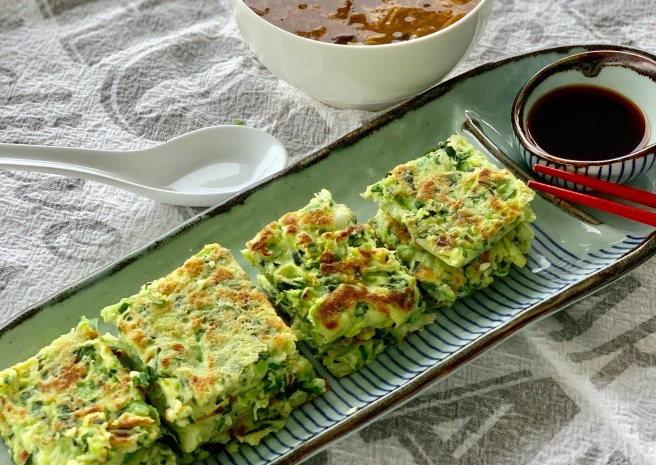
cover 4.jpgThese savory pancakes made with summer zucchini are quick and easy to make and so delicious! They are perfect for a snack, an appetizer, breakfast or a light meal.
It doesn’t have to be zucchini though, it can be any vegetables such as carrots, bell peppers, even lightly blanched broccoli. And you can add some meat or seafood too if you want to make fancy pancakes.

 Serve 2-4

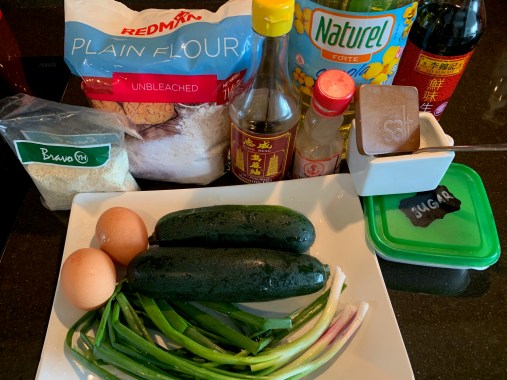
  • 1 Zucchini (about 350g), washed and grated by using the coarse side of a box grater西葫芦
  • ½ teaspoon salt
  • 2 eggs
  • 2 spring onions, minced
  • ¼ teaspoon white peppercorn powder 白胡椒粉
  • 1 teaspoon sesame oil
  • ½ teaspoon, caster sugar
  • 1/2 cup plain flour
  • ½ tablespoon cooking oil
  • 1 tablespoon sesame seeds for sprinkling (optional)

Dipping sauce,

  • Light soy sauceIMG_4261.jpg

Method

  1. Wash the zucchini clean and dry it with a kitchen towel. Grate the zucchini using the coarse grate side of a box grater.IMG_4262.jpg
  2. In a large bowl, mix the grated zucchini with ½ teaspoon of salt. Let sit for 15 minutes, and you’ll see visible zucchini juice at the bottom of the bowl, which we will keep. Now mix in 2 eggs, minced spring onions, ¼ teaspoon white peppercorn powder, 1 teaspoon sesame oil, ½ teaspoon sugar, and ½ cup plain flour. If you feel like you need more flour (this could depend on the size of the eggs, for example), add it 1 tablespoon at a time. The final batter should look like similar to regular breakfast pancake batter. Let the batter rest for another 15 minutes.
  3. Now heat a pan over medium heat, lightly brush the bottom with some cooking oil, and pour some batter into the pan (make the pancakes whatever size you like). Sprinkle sesame seeds (optional) over the top and cook each side until lightly golden brown, about 3 minutes on each side. Repeat until you’ve used all the batter.
  4. You can serve with a simple soy dipping sauce, chili oil, or whatever other condiments you like. With a bowl of hot sour soup or congee, they make a perfect, healthy light meal.


Fried Sun-dried Pork with Crisp-Fried Kaffir Lime Leaves泰式青柠叶猪柳tài shì qīng níng yè zhū liǔ

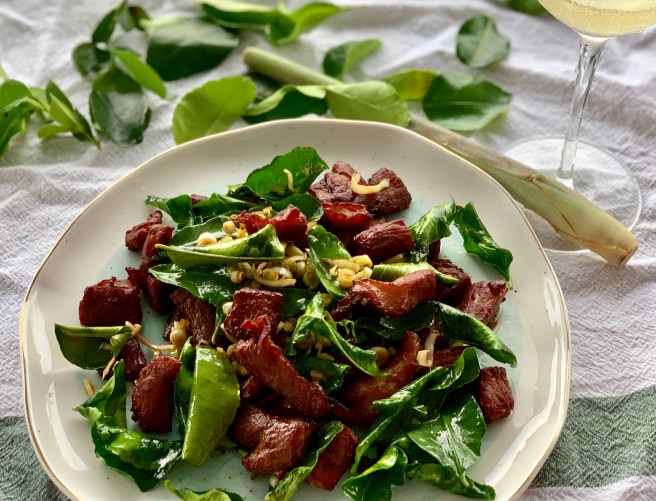
cover1Think of kaffir lime leaves as the Asian equivalent to bay leaves. Kaffir lime leaf is a key ingredient in Thai cooking as well as other Southeast-Asian cuisines. It is probably one of the most aromatic of all herbs and a wonderful addition to many Thai and Southeast-Asian stir-fries, soups and curries. The thick leaves are dark green and shiny on one side, and pale colored and porous on the other.

Kaffir lime leaves can be purchased fresh, frozen or dried from Thai or Vietnamese food stores (some Chinese food stores carry them while others do not). In Asian food stores, you’ll find them either in the fresh produce section alongside the other herbs, or in the freezer section. A few of the larger regular supermarket chains in North America are also starting to sell lime leaves—look for them in the fresh herbs section.

Note that dried lime leaves are not as aromatic or flavorful as fresh or frozen. One package of fresh lime leaves will last you a year or longer, and they freeze well. Take one or two leaves out as you need them, then wrap up the package and return it to the freezer until next time.

Serving 3-4

  • 450g   pork loin, cut into 5-cm-long strips
  • 1.5  teaspoons       fish sauce
  • 1.5 + 0.5 tablespoons Maggi Seasoning sauce (or simple use light soy sauce)美极鲜或者生抽
  • 1+1 teaspoons            caster sugar
  • 1/2 teaspoon             white peppercorn powder
  • 2 cups cooking oil
  • A handful of kaffir lime leaves
  • 2 stalks of lemon grass, finely sliced 

Method

  1. Clean the pork, cut into long strips and put int a mixing bowl. Add 1.5 teaspoon of fish sauce and 1.5 tablespoons of Maggi Seasoning or light soy sauce, 1 teaspoon of sugar and ½ teaspoon of white peppercorn powder. Toss well and marinate for 10 minutes. Arranged the marinated pork on a baking tray and leave to dry under the sun (or in a warm oven with a temperature of 40°C) until dry on the outside. This takes about 1 hour. Do not over dry the pork or it will be too dry and tough. 

  2. Clean the lemongrass, remove some outer tough layers. Finely slice the lemongrass and put into a bowl. 

  3. Place a wok or frying pan over medium heat and add 2 cups of oil. Leave until the oil is hot. Fry the pork by three batches until golden and cooked through. Stir regularly with a spatula. When done, remove the pork and place them in kitchen towel-lined plate to help remove excess oil. Separately fry the kaffir lime leaves, lemongrass slices in the same wok over medium heat until crispy. Remove and drain. Place cooked sun-dried pork on a serving dish. 

  4. Get a small fresh sauce pan and scoop into 2 tablespoons of oil from the wok which was used to fry the pork and herbs. Turn up the heat. When oil is hot, combine 1/2 tablespoon of light soy sauce (or Maggi Seasoning sauce) and 1 teaspoon of sugar in a bowl and mix well. Pour the mixture into the wok, then quickly add into fried lime leaves and lemongrass. Toss to coat well. This whole process takes about 1 minute. Remove and arrange attractively over fried sun-dried pork on a serving dish. Ready to serve.