
This appetizer, served cold, is one of the most famous fish dishes in the lower reaches of the Yangtze River. Any mild-flavoured, firm-fleshed fish such as carp or pomfret is ideal to cook the dish. It’s not actually smoked, though it looks like it has spent some time in a smoker, which likely explains its name.
Serves 3-4
Fish and marinade
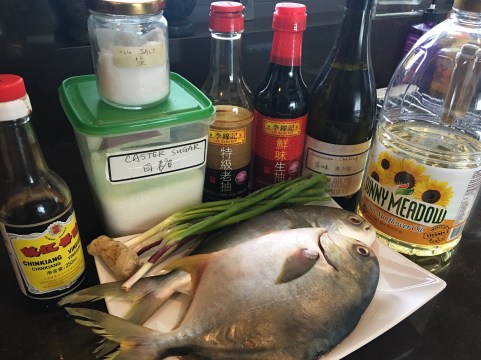
- 1-2 pomfret or carp (about 800g) 鲳鱼或者青鱼、鲤鱼
- 3-4 spring onions, cut into small sizes香葱
- 1 walnut-sized ginger, thinly sliced姜
- 4 tablespoons Chinse cooking wine料酒
- ½ teaspoon salt盐
- 2 cups cooking oil for frying烹调油
Sauce
- 3 tablespoons dark soy sauce老抽
- 1 tablespoon chinkiang vinegar 镇江香醋
- 1 tablespoon light soy sauce (optional) 生抽
- 2 tablespoons caster sugar 白糖
- ½ cup water
 Method
- Slice the fish into 1-inch-wide strips. Discard the fish head. Place the fish in a bowl. Add into the marinade. Mix well. Let it marinate in a cool place for at least 30 minutes and up to a couple of hours.
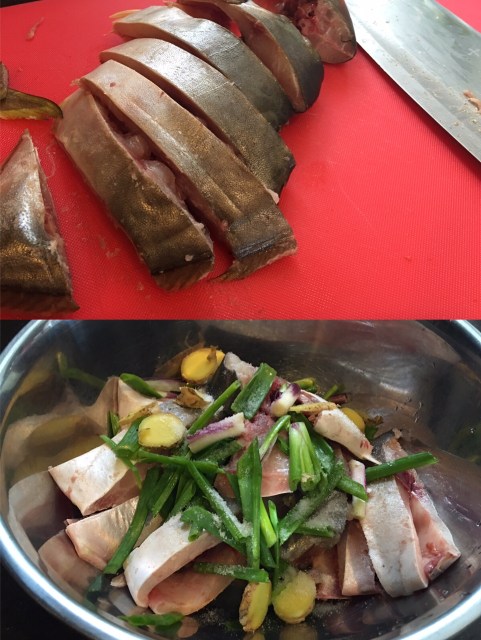
- Pour off and discard the marinade including ginger and spring onions. Pat dry the fish slices with kitchen towel. Pour the oil into a wok and place it over medium heat. When the oil becomes very hot, add half of the slices to the wok, being careful not to crowd them. Gently shake the wok to keep the fish from sticking. Don’t turn the slices over often, as they will break up once they are cooked. Instead, wait until one side is golden brown before gently flipping them over. Fry the other side until golden and remove the cooked fish to a clean plate. Repeat with the rest of the fish.

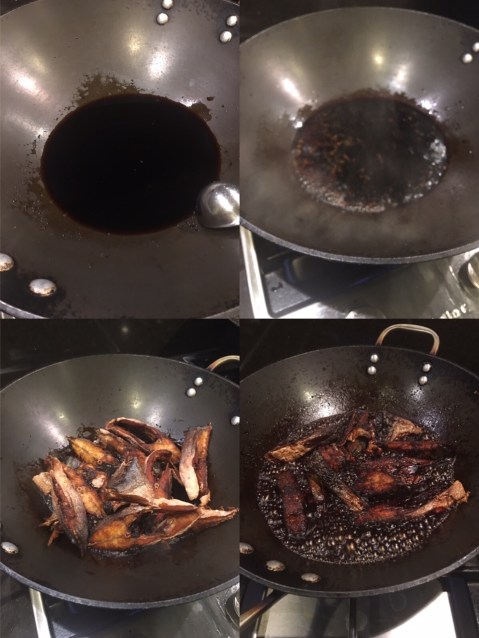
- Get another clean wok or sauce pan. Pour into all the ingredients for the sauce. Bring it to a boil over high heat. Toss the fish in the sauce. Use chopsticks to gently move around the fish in the wok so they are evenly coated with the sauce. Cook for a few minutes. Turn off the heat. Place the fish on a serving plate. Serve when it has completely cooled off.
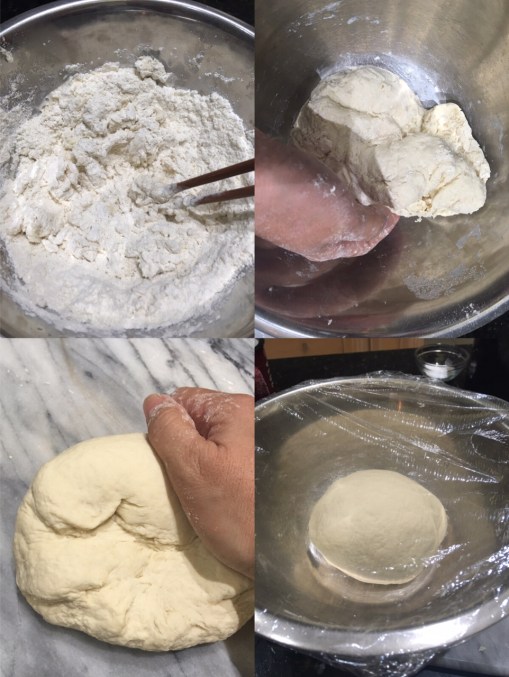
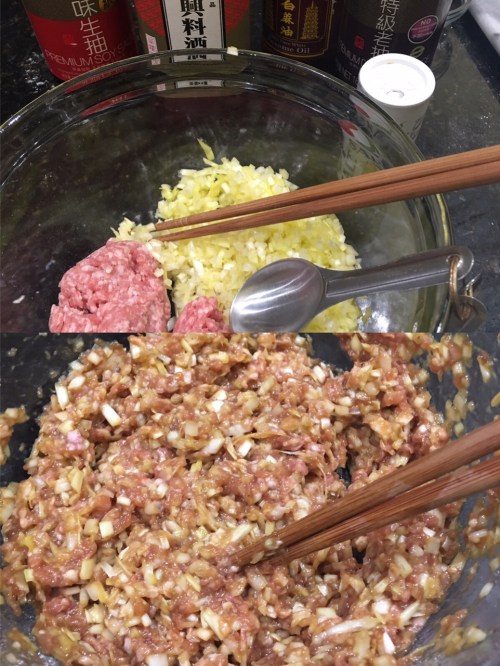
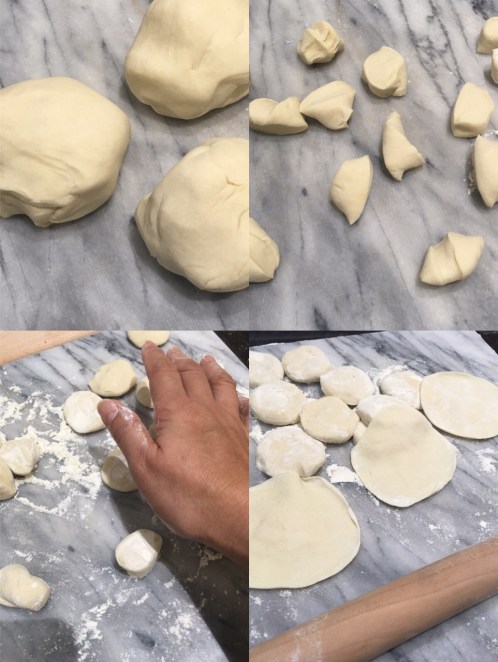
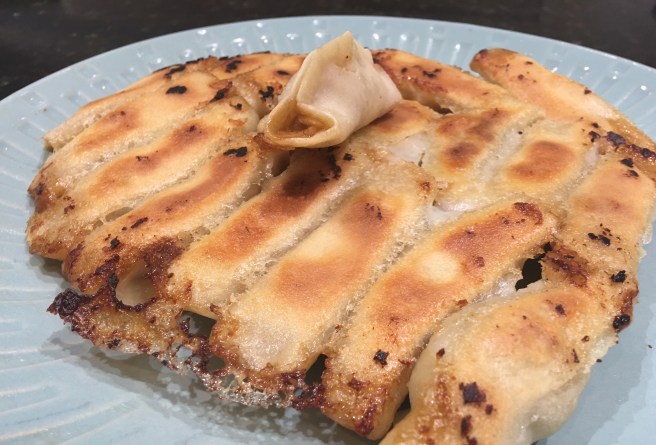 People tend to think that potstickers are simply the pan-fried version of dumplings. But that is not the case. What distinguishes this delicacy from dumpling or Japanese Gyoza is that they are wrapped with the hot-water dough. The brilliant idea courtesy of northern Chinese home cooks heats up the flour, expands each tiny fleck, and moistens the flecks completely so that we get something more supple and tender than anything made with cold-water dough.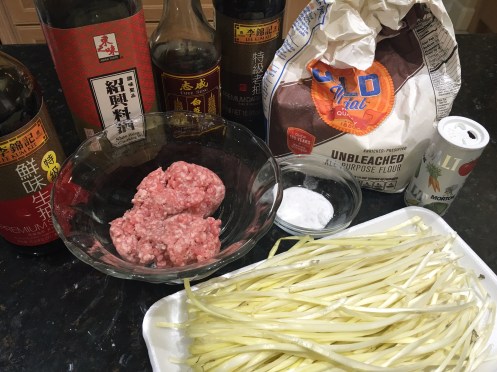
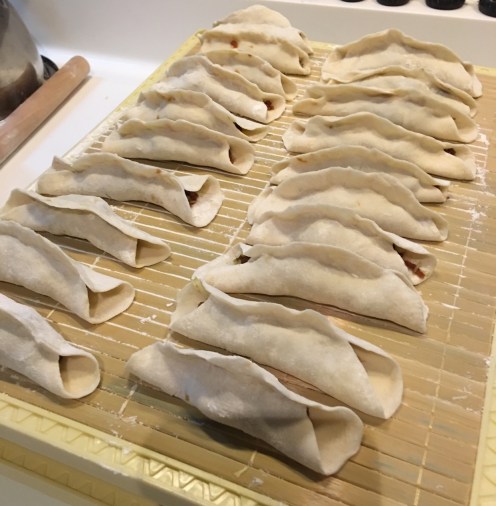


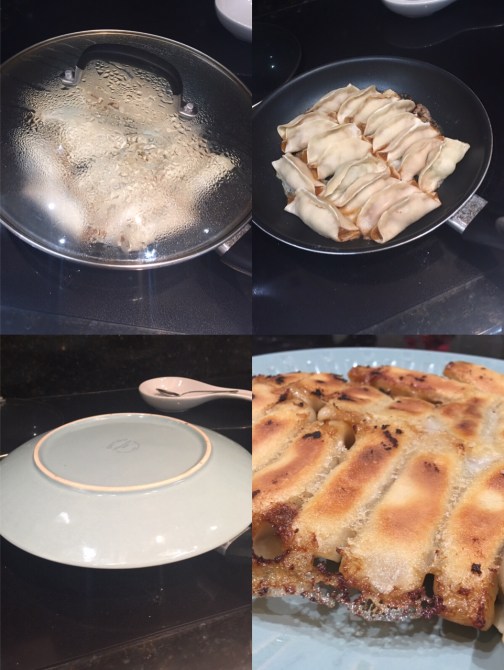
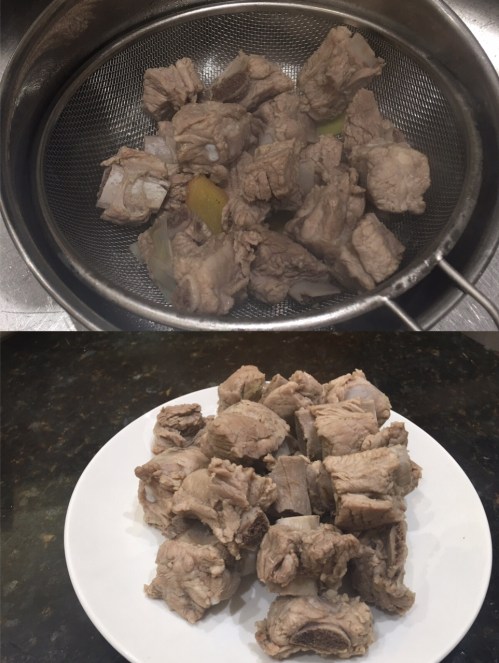
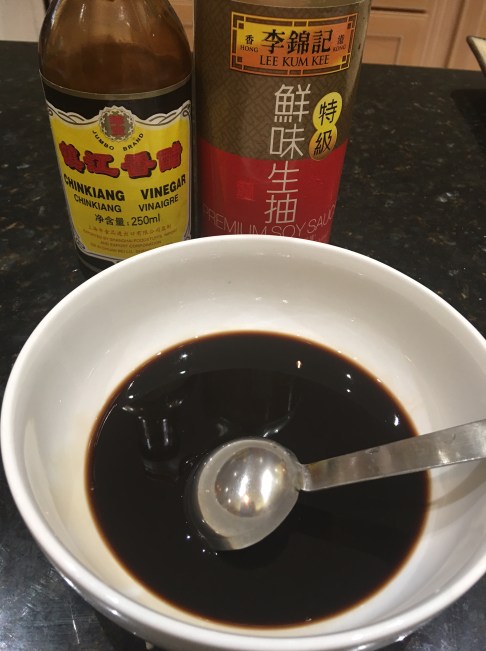
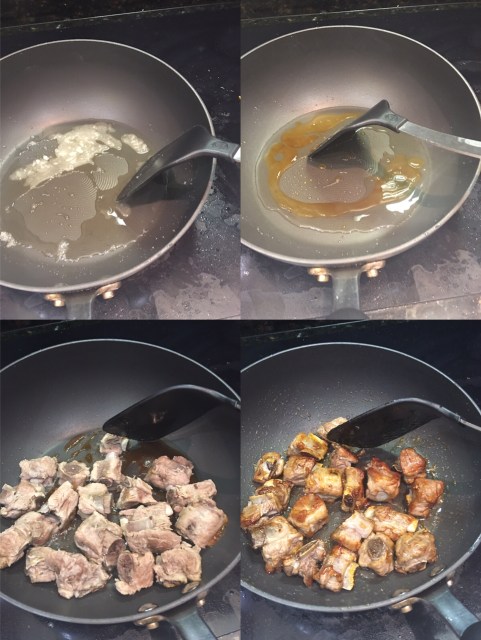
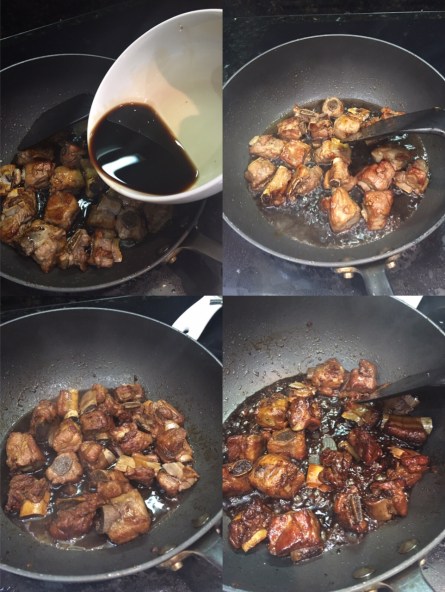
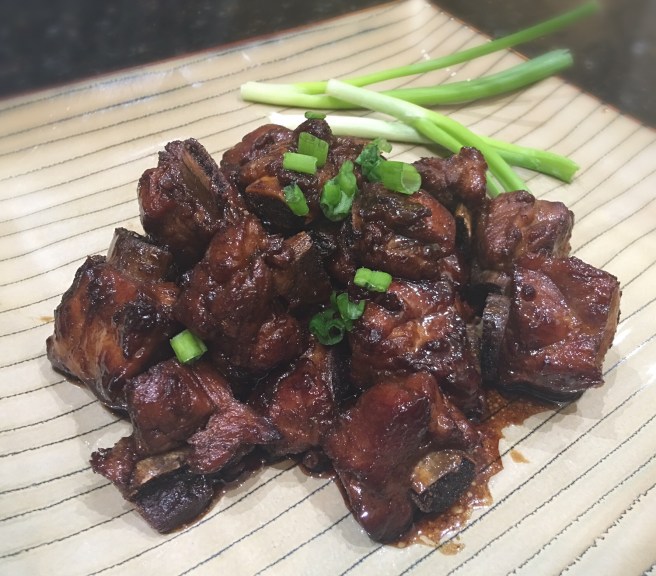 It is a famous Shanghai dish that is intended as an appetizer and served cold. The original recipe requires a large amount of oil for deep-frying and a powerful professional gas stove to get the crispy surface of the ribs. This recipe is altered to achieve the beautiful golden color of the meat and amazing sweet and sour taste by introducing a traditional Chinese meat-browning technique 炒糖色 (chao tang shai), or frying the ribs in melted sugar to add color.
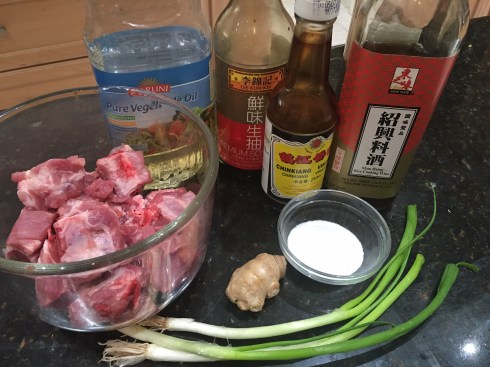 Method


 lets-playdough.com