 The satisfying spicy ribs just crumbled off the bone, and with all of those savory seasonings as an added bonus. It is inspired by a trademark dish from Three Guizhou Men, my all-time favorite restaurant in Beijing that offers authentic Guizhou Cuisine. Guizhou Province borders Sichuan thus is similar in that the food is spicy. Unlike Sichuan food though, it does not prominently feature those numbing peppercorns. The food tends to be mildly sour instead.
Serves 4-6,
- 1500g pork spareribs 整条猪肋排
Seasoning paste
- 1 tablespoon coriander seeds香菜籽
- 1 tablespoon white peppercorns (or use the same amount of white peppercorn powder)白胡椒粒或者白胡椒粉
- 1 teaspoon salt
- 1 tablespoon light soy sauce生抽
- ½ tablespoon dark soy sauce老抽
- 10 – 12 cloves garlic, peeled
- 1 cup fresh coriander stems and roots, minced香菜梗
- 2 tablespoons Chinese cooking wine
- 1 tablespoon cooking oil
Toppings
- 1 tablespoon Cooking Oil
- 8-10 mix of green and red chili, cut into small pieces
- 3 tablespoons Fermented Black Beans干豆豉
- 2 tablespoon Seasonings made as indicated above
- 1 tablespoon light soy sauce
- 1/2 tablespoon sugar
- ½ cup water
- 3 tablespoon unsalted peanuts, toasted and roughly chopped
- 1 cup Coriander leaves, roughly chopped, for garnishing

Method
Make the seasoning paste
- Wash the ribs and pat dry with paper kitchen towel. To make the meat absorb the seasonings better, you can use a sharp knife to remove the membrane from the back side of the ribs. Line up a baking try with aluminum foil. Place the ribs on top of the tray.

- Let’s make the seasoning paste. Place the peeled garlic, coriander seeds, peppercorn seeds, fresh coriander stems and roots, soy sauce, salt and Chinese cooking wine in an electric blender. Pulse until finely minced.


Marinate the ribs
- Now let’s coat the ribs with the two tablespoons of the seasoning paste, then drizzle 1 tablespoon of cooking oil on top of the ribs. The oil helps lock the moisture of the meat when it is cooking in the oven. Cover the ribs completely with another layer of the aluminum foil. Place the baking tray in the middle rack of the oven. Set aside for about 60 minutes.


Grill the Ribs
- Turn the oven on and bring it up to 180C°. And bake for 2 – 2.5 hours till the bones are exposed. The slow cook time ensures the seasoning flavours are to be very absorbed by the ribs.
- Remove the aluminum foil on the top of the tray. Bake the ribs for another 30 minutes (no need to cover the ribs). The ribs are ready to serve when it is nearly falling off the bone.
Cook the toppings
- Place a sauce pan on the stove. Add one tablespoon of cooking oil over low medium heat, add chopped chili peppers and stir fry for a few minutes, add into 3 tablespoons of fermented black bean, stir fry for another 2-3 minutes, add into 2 tablespoons of seasoning paste, 1 tablespoon soy sauce, ½ tablespoon of sugar, 1 tablespoon of light soy sauce and ½ cup of water. Once it starts boiling, turn off the heat. The toppings is done.


- Place the ribs on a serving plate. Arrange toppings and peanuts. Garnish with chopped coriander leaves.


Cook notes
- The seasoning paste can be made ahead and refrigerated for two weeks.
- You can always make large quantity of the slow cooked ribs ahead of time (until step 5) and store it in the fridge or freezer. When ready to use, just place the desired amount of ribs and bake another 30 minutes then add freshly cooked toppings.
 The dish is insanely simple to make yet out of this world satisfying! The ever so popular kimchi, the national pickle of Korea, is also praised as a probiotic food. It makes the dish more digestible, nutritious and flavourful, as well as breaking down toxins. If you don’t like pork belly, then by all means switch to pork tenderloin or a lean pork of your choice. However, added oil will be necessary when using a lean cut.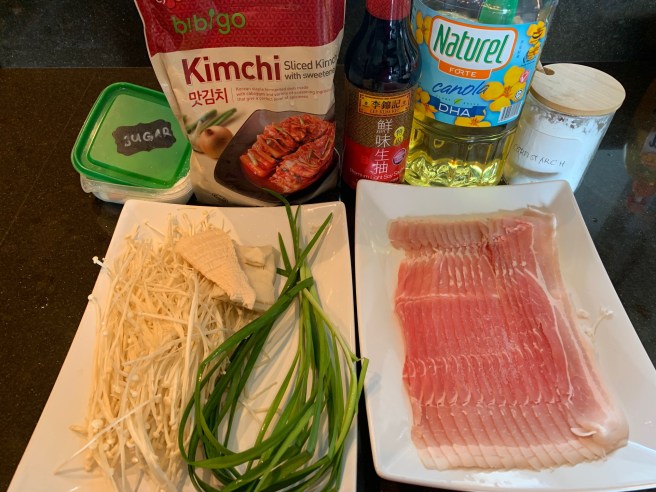


 This classic Cantonese braised beef stew is served from almost all traditional restaurants around the world. Traditionally, this dish calls for beef brisket which is relatively tough cut but really flavorful when prepared properly. If you can access to Chinese butchery, look for the brisket with a layer of membrane attached to the meat. The membrane is a little tougher than the meat but adds even more flavor to the dish.


 7. Sprinkle some scallions and serve with rice or as a noodle soup topping.
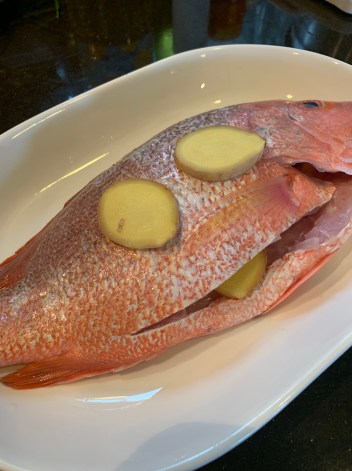
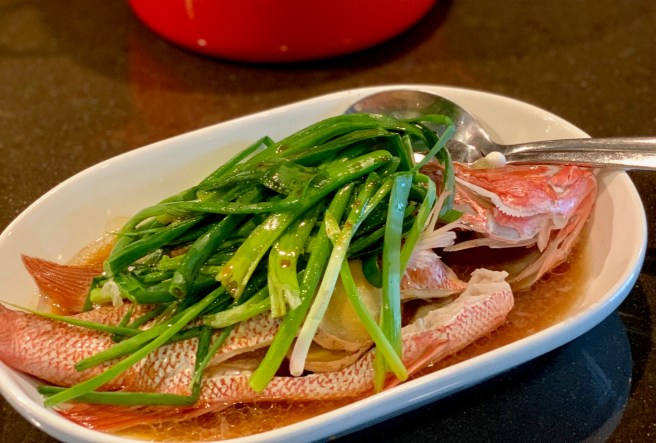 I personally think that fresh fish is best eaten steamed in addition to Sashimi and Sushi. For me, nothing tastes as satisfying as delicately steamed fish with a bowl of rice. Though few ingredients are involved, you will need a very fresh fish and a high-quality Chinese cooking wine to make it Chinese-restaurant worthy. The perfect, right amount of steaming time is also critical so that cooked flesh is tender, moist and silky. Never overcook.



 lets-playdough.com