 The spicy, rich and creamy Indonesia beef stew is known for an insane amount of flavour because of its generous use of a myriad of spices and herbs cooking for a few hours until meat fork-tender.
The flavours of Beef Rendang unfolds in layers. First there’s the zingy flavours of lemongrass and ginger, then comes the savoury beef along with a torrent of chili, finally, as you continue to chew you start tasting the creamy coconut milk towards the back of your tongue.
Rendang always tastes better the second day.
Serve 4
Ingredients:
- 700g boneless beef. Choose any tough cuts ideally for pot roast, such as chuck, brisket, round and shank. Cut into large cubes
- 3 tablespoons cooking oil
- 1 cinnamon stick, about 2-inch length
- 3 cloves
- 3 star anise
- 3 cardamom pods
- 1 lemongrass, cut into 4-inch length and pounded
- 1 cup thick coconut milk
- 1/2 cup water, optional
- 2 teaspoons tamarind pulp, soaked in some warm water for the juice and discard the seeds
- 6 kaffir lime leaves
- 4 tablespoons kerisik, toasted coconut
- 1 tablespoon sugar or palm sugar to taste
- 1 ½ teaspoon salt to taste
Spice Paste:
- 5 shallots
- 1 inch galangal
- 3 lemongrass, white part only
- 5 cloves garlic
- 1 inch ginger
- 10-12 dried chilies, soaked in warm water and seeded

Method
- Chop the spice paste ingredients and then blend it in a food processor until fine. Add 1 cup of water to make the blending easier.
- Heat the oil in a heavy bottomed stew pot, add the spice paste, cinnamon, cloves, star anise, and cardamom and stir-fry until aromatic. Add the beef and the pounded lemongrass and stir for 1 minute. Add the coconut milk, tamarind juice, water, and simmer on medium heat, stirring frequently until the meat is well coated. Add the kaffir lime leaves, kerisik (toasted coconut), sugar or palm sugar, stirring to blend well with the meat.
- Lower the heat to low, cover the lid, and simmer for 1 to 1 1/2 hours or until the meat is really tender and the gravy has dried up. Add more salt and sugar to taste. Serve immediately with steamed rice and save some for overnight.
Recipe Notes
To prepare the kerisik or toasted coconut, just add the grated coconut to a dry wok and stir continuously until they turn golden brown.
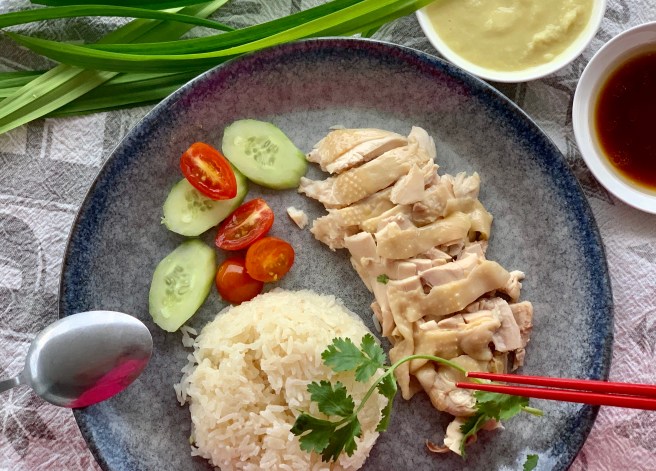 Nothing is more Singaporean than the chicken rice, the country’s unofficial national dish. Ask any foodie expats, adults or children, which dish they love the most from their time in Singapore. This poached chicken and seasoned rice is clearly the winner in their hearts. The dish looks deceptively simple, but there are many components to a good plate of Chicken Rice, the fragrant rice, succulent meat and flavourful dipping sauces over it.
 Chicken Satay should be a staple in the kitchen with its juicy, marinated skewered chicken layered with flavor all dunked in creamy, intoxicating peanut satay sauce. The marinade is the most important part of the recipe. The best satays are marinated with lots of spices and ingredients. Traditionally, home cooks pound all the ingredients above with a mortar and pestle until it becomes a fine paste. Mix the meat (either beef, chicken or mutton) with the marinade overnight; this will ensure that every piece of the meat is bursting with robust flavors.


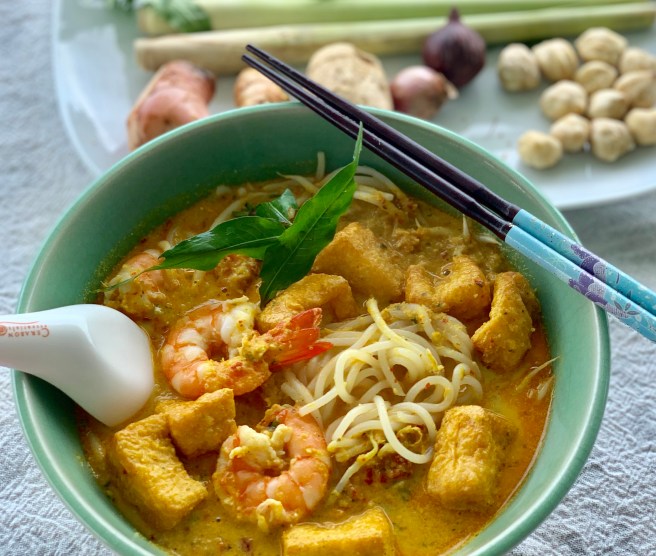 The flavors of this popular Southeast Asian street food are bold and simply addictive. It is difficult to pinpoint the exact origin of this delicious spicy noodle soup because it has many different varieties across the region. In Singapore, the “Katong” version or Nyonya Laksa, is believed to have been created after the interaction between the Peranakans with the local Singaporeans.


 lets-playdough.com